How to Restore Original Victorian Pine Floors in New Southgate
Victorian pine boards are one of the most character-rich features still found in many New Southgate and wider N11 homes. Beneath old carpets, worn varnish and decades of household wear, these original floorboards often remain structurally sound, visually striking and well worth saving. At New Southgate Floor Sanding, we regularly restore period timber floors for homeowners who want to protect architectural character while improving the comfort, finish and long-term value of their property. If you are weighing up whether to repair, sand, seal or fully refinish original boards, our New Southgate floor restoration specialists can assess what is viable before any unnecessary replacement is considered.
In N11 properties, especially older terraces, semis and converted houses, Victorian pine boards often show signs of blackened edges, draughty gaps, cupping, historic repairs, paint contamination and surface abrasion. Yet in many cases, those issues are repairable. With the right moisture checks, careful preparation, a disciplined sanding sequence and an appropriate finish, original pine can be brought back to life without stripping away the period identity that makes these homes special.
Why Victorian Pine Boards Matter in New Southgate Homes
Original Victorian softwood boards are not simply a subfloor with decorative potential. In many period properties, they are part of the home’s architectural story. The board widths, fixing methods, growth pattern and patina all contribute to a look that modern replacement materials rarely recreate convincingly. Even when the timber is humble pine rather than a premium hardwood, the visual result after proper restoration can be exceptional.
In N11 homes, these floors are often found in reception rooms, hallways, bedrooms and upper-storey spaces. Many have survived under carpet for decades. Some have been painted. Others have been patched where old pipework, fireplaces or wall alterations have changed the room layout. Restoring them well requires more than simply hiring a machine and sanding until the room looks lighter. A proper restoration approach balances heritage sensitivity with technical discipline.
That is particularly important with Victorian pine because it is softer than oak and more prone to surface rippling, over-sanding and edge damage if handled badly. A careful operator will read the floor first, checking previous repairs, nail patterns, loose tongues, historic movement and moisture risk before a machine is even switched on.
Common Problems We See in Victorian Pine Floors in N11
Older pine boards can look beyond recovery at first glance, but visual wear is not always a structural failure. Some of the most common issues we encounter in New Southgate period homes include:
- Deep surface scratches and traffic wear from years of footfall and furniture movement.
- Old bitumen, paint, wax or varnish residues that prevent an even finish.
- Draughty gaps between boards caused by seasonal movement and long-term shrinkage.
- Loose or squeaking boards due to worn fixings or joist movement.
- Historic water staining near chimney breasts, bay windows or radiators.
- Blackened board edges where dirt has compacted into gaps over decades.
- Rotten localised sections near external walls or old leaks.
- Uneven board heights creating lipping that needs levelling carefully.
Where boards are still fundamentally sound, restoration is almost always the better route than replacing the whole floor with modern alternatives. If you want a broader overview of what the process involves, our guide to wood floor sanding in New Southgate explains how tired boards are brought back from dull and worn to bright, durable and visually balanced.
Before Sanding: The Inspection Stage Matters
The success of any Victorian floorboard restoration starts with inspection. This is where experience matters most. Before sanding begins, the floor should be checked for protruding nails, repairs, splits, loose boards, insect damage, old adhesive contamination and subfloor ventilation concerns. In older N11 properties, we also look closely at moisture risk along external walls and around chimney breasts, because trapped damp can undermine even the best finish system.
Moisture-content mapping is especially useful on period pine. It helps distinguish a cosmetically stained board from one that has ongoing moisture movement. Sanding and sealing a damp board without addressing the source first is false economy. The finish may fail, filler may crack, and the floor can begin to cup or stain again.
Once the floor has been assessed, unstable boards can be refixed, damaged sections can be cut out and matched, and nails can be punched below the surface. This preparation reduces belt tearing, helps keep the floor flatter and creates a more controlled final result.
Repair First, Sand Second
One of the biggest mistakes with Victorian pine boards is sanding before repairs are completed. Old boards move. If loose areas, broken tongues or local rot are ignored, the floor may look improved for a short time but remain noisy, uneven and vulnerable.
Proper repairs may include:
- Re-securing loose boards into stable joists.
- Replacing split or missing sections with reclaimed or closely matched pine.
- Stabilising weak areas around former hearths or pipe runs.
- Levelling localised lipping where adjacent boards sit at different heights.
- Choosing between resin filling and sliver filling depending on gap width and board movement.
For wider seasonal gaps in original Victorian boards, pine slivers are often a more robust long-term solution than simply flooding the floor with flexible filler. Resin-and-dust filling has its place, but only where the gaps are fine, stable and appropriate for that method. Overfilling wider moving gaps usually leads to cracking and premature failure.
The Right Sanding Approach for Victorian Pine
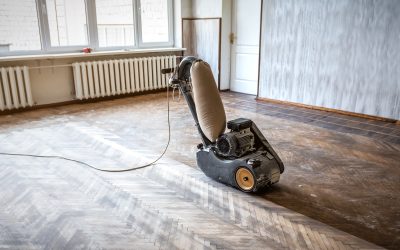
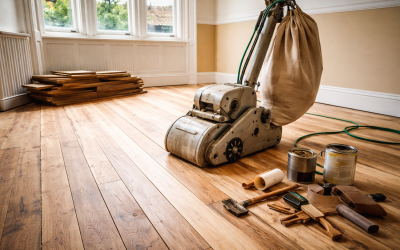
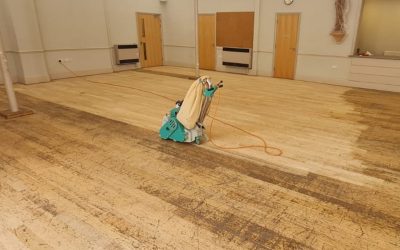
Softwood boards need a disciplined, measured sanding process. Victorian pine is forgiving in some respects, but because it is softer than most hardwoods, it can also be marked quickly by poor technique, excessive pressure or skipping abrasives. A professional restoration generally follows a staged abrasive sequence, often moving through coarse preparation into medium refinement and then final finishing passes. On many original pine floors, a controlled 36- to 120-grit sequence works well, adjusted according to coating build-up, board condition and surface flatness.
The aim is not to remove as much timber as possible. The aim is to remove old coatings, flatten surface inconsistencies, reduce scratches and prepare the boards for sealing while preserving as much historic timber as practical. This distinction matters. Victorian boards have already lived one hundred years or more; they should not be treated like disposable material.
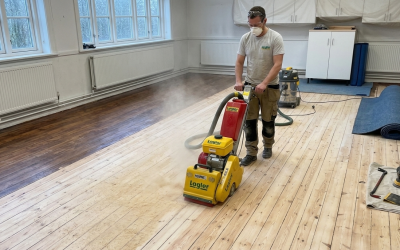
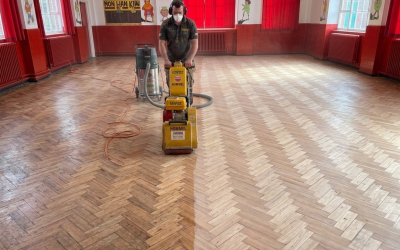
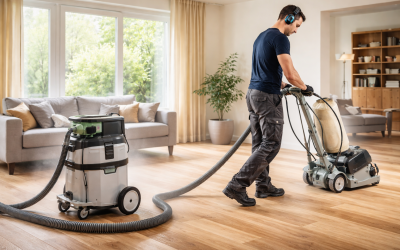
Modern dust-controlled equipment makes a major difference here. Extraction-integrated sanding systems reduce airborne dust significantly, keep the working environment cleaner and help produce a better finish because loose dust is less likely to contaminate later coating stages. Our separate article on wood floor sanding basics also touches on preparation, grit progression and dust control if you want to understand the technical foundations behind the process.
Preserving Character Without Leaving the Floor Too Rustic
There is a balance to strike with period floorboards. Some clients want a refined, clean finish that brightens the room and makes the boards feel almost new. Others want to preserve saw marks, old undulations and visible age. The right result usually sits somewhere in the middle.
Good restoration should preserve character, not preserve dirt, instability or splinters. That means keeping honest signs of age where appropriate, while still delivering a floor that is comfortable underfoot, easy to maintain and properly protected. In practice, that can mean retaining subtle grain variation, old board width differences and the natural tone shifts of mature pine, while removing heavy blackening, roughness and failed finishes.
In many N11 homes, restored pine boards also improve light reflectivity dramatically. Rooms that previously felt dark under old carpet or yellowed varnish often feel larger, brighter and more coherent after sanding and refinishing.
Choosing the Best Finish for Victorian Pine Boards
Finish choice has a major effect on both appearance and maintenance. Victorian pine can look beautiful under several different systems, but the best option depends on how the room is used, how natural you want the timber to look, and how much maintenance you are willing to take on in future.
Hardwax Oil for a Natural, Heritage-Friendly Look
Hardwax oil is a popular choice for period properties because it enhances grain, creates a more natural matte-to-satin look and is easier to patch repair locally than many full-film finishes. Products such as Osmo Polyx-Oil are widely used where homeowners want the floor to feel warm, breathable and visually authentic.
Water-Based Lacquer for Durability
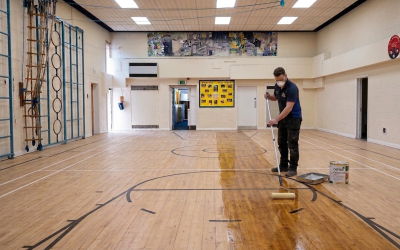
Where a household wants stronger day-to-day wear resistance, especially in hallways and living rooms, a professional-grade water-based lacquer can be the better route. Systems such as Bona Traffic HD are designed for heavy-use timber floors and are well suited where durability, faster return to service and low-odour application matter.
Staining Victorian Pine
Staining can work, but it needs care. Pine absorbs colour unevenly if the prep is inconsistent, and heavily pigmented stains can make patch repairs more obvious. In heritage settings, many homeowners prefer the cleaner, lighter character of natural pine or a subtly warmed tone rather than a dark, artificial look.
If you are comparing finish performance in heavier-use settings, our commercial article on minimal-downtime sanding for busy spaces gives useful context on why product choice matters so much once durability becomes a priority.
What About Gaps, Draughts and Insulation?
Victorian pine floors are often associated with draughts, especially on ground floors or above unheated voids. Restoring the boards is an ideal time to improve comfort, but the method matters. Not every gap should be filled solidly, because timber needs room for seasonal movement. The correct approach depends on board width, movement levels, subfloor ventilation and whether the gaps are cosmetic or airflow-related.
In some N11 homes, targeted sliver repairs combined with underfloor insulation works can transform both comfort and appearance. In others, sympathetic filling and careful sealing are sufficient. The key is not to over-engineer the floor in a way that traps moisture or creates brittle failures later.
How Restoration Protects Property Character and Value
For owners of Victorian and Edwardian homes, original features matter. Buyers and tenants alike notice when period details have been looked after properly. Restored pine boards can complement fireplaces, high skirtings, sash windows and traditional joinery in a way that modern laminate or low-grade replacement boards rarely do.
There is also a practical value case. Restoration is often more cost-effective than full replacement once waste removal, new material supply, fitting, threshold alterations and redecoration are factored in. Where the original boards are repairable, keeping them is usually the smarter aesthetic and financial decision.
Just as importantly, restoration preserves continuity. It keeps the floor tied to the age and language of the building rather than introducing a material that feels visually disconnected from the rest of the property.
Why DIY Restoration Often Goes Wrong on Period Pine
Victorian pine boards can appear simple, but they are not a forgiving DIY substrate. Over-sanding softwood, leaving drum marks, using the wrong filler, missing hidden nails or applying incompatible finishes can all create expensive corrections. It is also common for DIY attempts to ignore moisture movement, subfloor instability or the difference between cosmetic staining and deeper timber damage.
Another frequent issue is over-flattening. A floor does not need to be machined into a perfectly uniform plane to look excellent. Excessive sanding may remove historic wear patterns, thin the boards unnecessarily and reduce the sense of age that gives the room its charm in the first place.
Professional sanding is not only about better machinery. It is about judgement. Knowing when to replace, when to repair, when to fill, when to leave well alone, and which finish system best suits the household is what separates a durable heritage restoration from a short-lived cosmetic improvement.
Our Approach to Victorian Floorboard Restoration in New Southgate
At New Southgate Floor Sanding, we approach original board restoration with the same priorities every time: protect the usable historic timber, stabilise what needs repairing, sand carefully, finish appropriately and leave the client with a floor that feels true to the property rather than over-processed. Whether your boards are hidden beneath carpet, heavily scratched, badly coated or simply tired and dull, the right restoration process can reveal a result that feels both timeless and practical.
We also advise honestly. Not every board can be saved, and not every room should receive the same finish. Ground-floor front rooms in older N11 homes may need a different recommendation from upper bedrooms or less heavily used reception spaces. That is why site-specific assessment matters.
Final Thoughts
Restoring Victorian pine boards is about more than appearance. It is about preserving material history, improving comfort, supporting long-term durability and allowing period homes in New Southgate to keep the features that make them distinctive. Done properly, the floor does not lose its age. It simply regains its dignity.
If you have original floorboards in an N11 property and want expert advice on repair, sanding, gap filling or finishing, visit our contact page, explore our floor sanding prices, or request a quote from our New Southgate team. We are happy to assess whether your Victorian pine boards are suitable for restoration and recommend the most appropriate treatment for your property.