Wood Floor Sanding: Price Factors, Add-Ons & Savings
Thinking about refreshing tired boards without the hassle of ripping everything out? This guide breaks down real-world pricing across the UK, explains what drives costs up or down, and gives you a simple, step-by-step calculator so you can estimate your project in minutes. Whether you’re planning a one-room refresh or a full-home restoration, you’ll know what to budget, which extras to allow for, and how to save money without cutting corners.

Quick take: typical UK pricing
For most homes, professional sanding and finishing usually lands somewhere between £20 and £65 per m², with many projects averaging around £40 per m² for a full sand and three protective coats. Final totals vary with room size, timber type, floor condition, and add-ons like gap filling or staining. (Homebuilding)
What affects Wood Floor Sanding prices?
Every floor and household is different. These are the levers that move your quote up or down:
1) Area size & layout
Larger, open spaces are more efficient to work on (lower £/m²) than small, broken-up rooms with alcoves, bay windows and lots of edging. Minimum day charges can also make small jobs proportionally pricier.
2) Timber species & pattern
Softwood boards and straight-lay engineered planks are quicker to sand than dense hardwoods or decorative patterns. Herringbone and parquet demand more edging and careful grain work, adding labour time.
3) Condition of the floor
Old finishes, sticky adhesives, deep scratches, historic cupping, loose boards, or paint build-up add prep time. Repairs (re-nailing, board swaps, hearth infills) are priced separately.
4) Finish choice
Lacquer (varnish), hardwax oil and penetrating oils all need different products and coats. Premium, high-traffic systems cost more up front but often last longer between re-coats.
5) Extras & site logistics
Gap filling, staining, stairs, furniture handling, heavy appliances, radiator removals, waste disposal, parking or congestion charges, and out-of-hours work can all appear as line items.
6) Location & demand
London and the South East often carry a labour premium. Rural jobs can attract travel time. Get local quotes to benchmark fairly.
Average UK price ranges (by task)
Below are indicative figures you’ll see itemised on quotes. Your own proposal may differ after a site visit, especially if repairs or unusual prep are needed.
Base sanding & finishing
- Sanding + lacquer (3 coats): commonly £30–£50 per m² in many urban areas; leaner or promotional rates exist, as do premium packages above this. Expect the midpoint to cluster around the low-to-mid £40s per m² for domestic work. (Homebuilding)
Stairs
- Per step (tread + riser): frequently £35–£70 per step, depending on paint/varnish layers, nosings and detail. Complex staircases, winders and landings add time. (Sanding Floor London)
Gap filling (typical add-ons)
- Resin (sawdust + binder) for hairline gaps up to ~3 mm: ~£8–£10 per m²
- Timber slivers for wider gaps: ~£14–£20 per m² (often priced “per coat” where multiple passes are needed)
- Flexible fillers/sealants (for movement-prone gaps): often £25–£30+ per m²
These methods are chosen to suit the gap width, timber movement and desired look. (Lewes Floor Sanding)
Finishing extras
- Staining (colouring) per coat: commonly ~£7–£8 per m²
- Extra coat of lacquer or oil: commonly ~£7 per m²
Useful when chasing richer tones or extra durability in busy areas. (Floor Sanding and Sealing)
Minimum charges
Small jobs (think a tiny hall or WC) often hit a minimum day rate rather than a per-m² tally. You’ll often see something in the £500–£600 region including VAT, covering attendance, set-up and materials. (Winchester Wood Floors)
Example room-by-room guide
These examples are illustrative only; your actual quote will reflect your floor’s condition and chosen system.
- Small bedroom (10 m²), straight-lay engineered oak, three-coat lacquer:
Base at £40/m² → £400. If minor resin gap fill is required add ~£80–£100. Staining optional. - Lounge (20 m²), original softwood boards, three-coat lacquer + resin gaps:
Base at £38/m² → £760; resin gaps at £8/m² → £160; subtotal ~£920 before VAT. - Herringbone living/diner (30 m²), colour stain + oil system:
Base at £45/m² → £1,350; stain (1 coat) at £8/m² → £240; oil system (3 coats) included in base; subtotal ~£1,590 before VAT. - Standard staircase (13 steps) with heavy paint removal:
£55–£70 per step depending on layers and detailing → ~£715–£910 total.
Use this simple Wood Floor Sanding cost calculator
Grab a tape measure and a notepad. Five quick steps will get you to a solid estimate:
- Measure area (m²).
Length (m) × width (m) for each room. Add rooms together. - Choose your base service.
- Sand + lacquer (3 coats)
- Sand + hardwax oil (usually 2–3 coats)
- Add colour stain if desired (often 1 coat before topcoats)
- Pick a base rate.
Use a realistic midpoint (e.g., £35–£45 per m²) and adjust up/down for parquet/herringbone, awkward layouts, heavy prep, or premium finishes. (Homebuilding) - Add extras if needed.
- Resin gaps (
£8–£10/m²), slivers (£14–£20/m²), flexible filler (~£25–£30+/m²) - Stain per coat (~£7–£8/m²)
- Stairs (£35–£70 per step)
- Furniture handling, radiator removal, waste disposal, travel, parking
- Resin gaps (
- Add VAT if applicable.
Many companies are VAT-registered. Multiply your subtotal by 1.20 to allow for VAT.
Example A: 22 m² lounge, softwood boards, resin gap fill, lacquer
- Base: 22 × £35 = £770
- Resin gaps: 22 × £8 = £176
- Subtotal: £946
- VAT (20%): £189
- Estimated total: ~£1,135 (incl. VAT)
Example B: 48 m² two-bed flat + 14 steps, sliver gap fill, 1-coat stain, lacquer
- Base: 48 × £35 = £1,680
- Sliver gaps: 48 × £14 = £672
- Stain (1 coat): 48 × £8 = £384
- Stairs: 14 × £55 = £770
- Furniture move (4 rooms @ £25): £100
- Subtotal: £3,606
- VAT (20%): £721
- Estimated total: ~£4,327 (incl. VAT)
Tip: If your floor area is tiny, compare your calculation to the contractor’s minimum day rate—that may become the payable amount. (Winchester Wood Floors)
How to measure accurately (and avoid surprise costs)
- Measure skirting-to-skirting. Ignore alcoves blocked by built-ins you won’t move.
- Subtract fixed islands. Kitchens with immovable islands reduce the sandable area.
- Tell your contractor about known issues. Loose boards, old hearths, pet stains, bitumen or adhesive residues can influence prep time.
- Photograph tricky areas. Send pictures with your enquiry for a sharper pre-visit estimate.
Finish options: looks, durability, maintenance
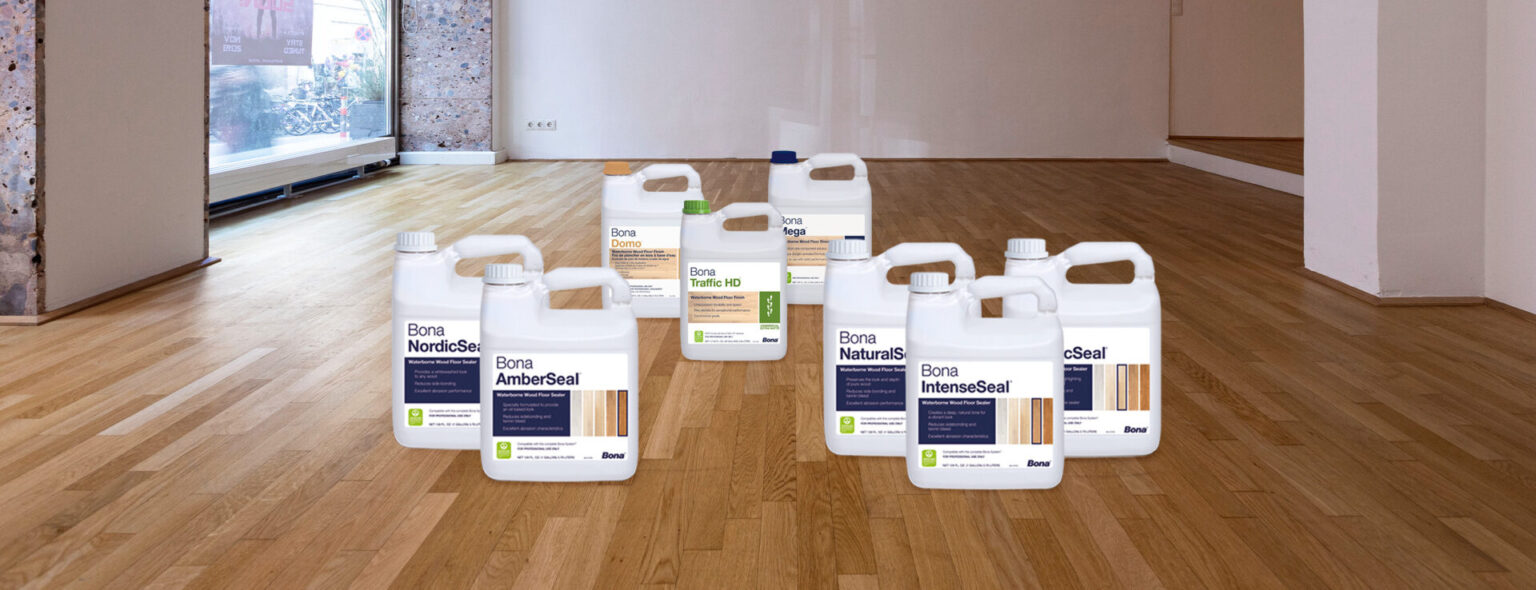
- Lacquer (varnish): Tough, low-maintenance protective film. Modern matt and satin sheens look natural without the plastic shine of old varnishes. Good in busy homes.
- Hardwax oil: Warm, natural look that enhances grain. Easy spot-repairs and re-oiling, but more regular maintenance.
- Penetrating oils: Soak in for a low-sheen, natural finish; often need more frequent care.
Want deeper colour? Add a stain before topcoats (one coat is common; very dark tones may need two). Staining and extra coats are typically modest line items on a quote. (Floor Sanding and Sealing)
Repairs & preparation you might see itemised
- Board repairs or swaps: Replacing cracked or rotten pieces, often in reclaimed pine to match.
- Hearth infills: Where fireplaces were removed, a timber infill keeps the run consistent.
- Nail punching & re-fixing: Essential on old boards to avoid abrasive damage.
- Edge detail & thresholds: Sanding tight edges and refitting trims.
- Gap treatments: Resin for hairline cracks; slivers or flexible fillers for wider movement gaps. (Lewes Floor Sanding)

DIY vs professional: where does the money go?
Hiring from a tool shop and doing the work yourself can cut headline costs, sometimes by up to ~60%, but only if you’re confident with heavy sanders, edge work and finishing chemistry. You’ll still pay for machine hire, abrasives (lots), fillers, finishes, dust control and protective gear—and a few avoidable mistakes can get expensive fast (for example, gouges or chatter marks needing re-sanding). If you’re after a premium, dust-controlled finish with strong warranties, professional crews are worth the extra. (Homebuilding)
How to compare quotes fairly
- Insist on like-for-like specs. Number of coats, product brands, and whether primers/bond coats are included.
- Ask about dust control. Modern systems dramatically reduce mess—handy in occupied homes.
- Check the repairs allowance. Is there a provisional sum for unknowns (loose boards, hidden adhesives)?
- Clarify gap-fill method. Resin vs slivers vs flexible fillers—each looks/behaves differently.
- Confirm stair pricing. Per step? Are winders/landings included? Are balustrades excluded? (Sanding Floor London)
- Minimum charges & VAT. Small rooms may hit a minimum; verify VAT status to avoid surprises. (Winchester Wood Floors)
- Lead times & warranties. Good firms are often busy—book ahead for moves or renovations.
Timeline: how long will it take?
- One average room (15–20 m²): Typically 1 day of sanding + 1 day of finishing and drying, depending on systems used and site conditions.
- Whole flats/houses: A few days to a week for larger, multi-room projects, especially if stairs, staining or repairs are included.
- Cure times: Fast-drying lacquers and hardwax oils allow light foot traffic sooner; full cure for heavy furniture/rugs may take longer. Your contractor will specify product-specific times.
Ways to save without compromising the finish
- Clear rooms fully. Move furniture and lift rugs/thresholds in advance.
- Batch rooms together. Larger continuous areas can reduce per-m² costs.
- Choose a durable system. Spending a little more on a tougher lacquer can extend maintenance cycles.
- Book shoulder seasons. Some firms price more keenly outside peak summer moves and pre-Christmas rush.
- Be flexible on colour. Natural finishes avoid staining add-ons and future touch-up complexity.
FAQs
Is sanding messy?
Modern dust-extraction machines collect the vast majority of dust. Expect a fine settling layer—protect sensitive electronics and plan a light clean after.
How often will I need to redo it?
High-traffic homes might need a maintenance coat years down the line. With sensible care (felt pads, doormats, avoiding wet mopping), a quality finish lasts very well.
Can every floor be sanded?
Engineered boards must have sufficient wear layer; heavily thinned or badly cupped boards may be unsafe to re-sand. A site survey answers this quickly.
What about dark pet stains or water marks?
Some can be removed or blended; others may need board replacement and staining to disguise. Allow a contingency line in your budget.
Will my skirtings get damaged?
Pros work tight to edges; a fine paint touch-up is sometimes needed afterwards. Discuss masking and thresholds in advance.
Ready for accurate pricing?
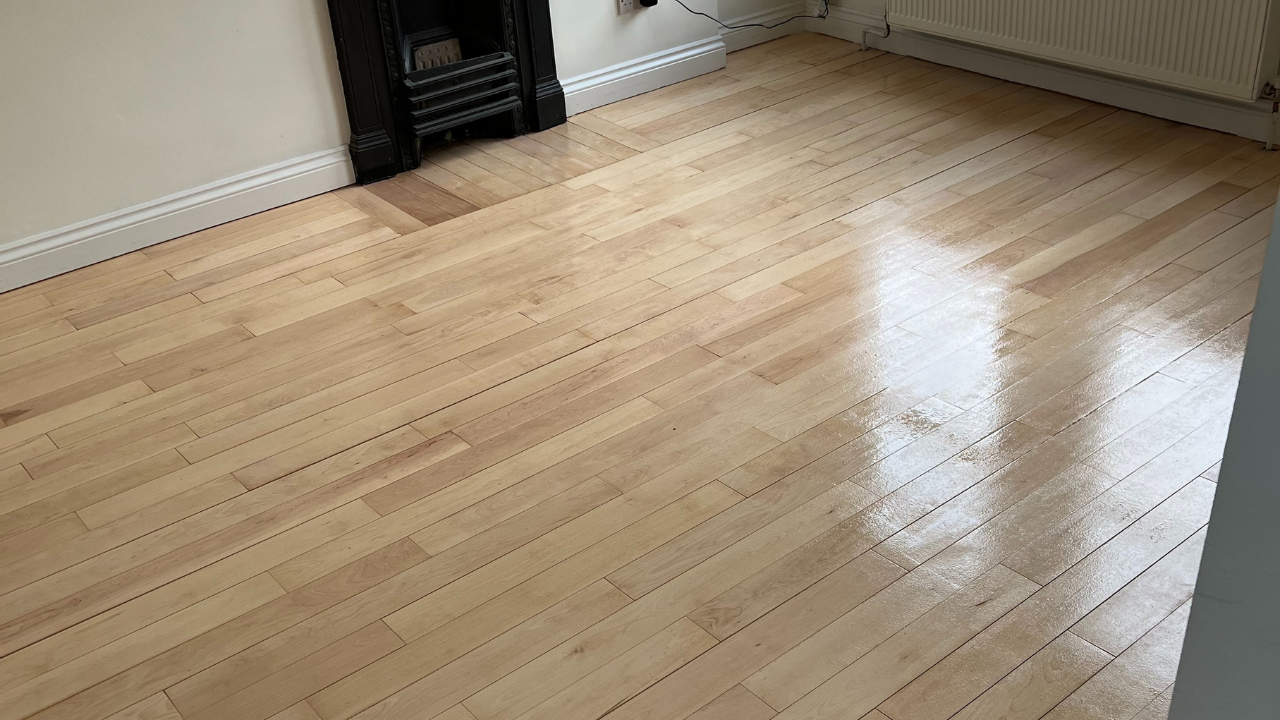
If you’d like a fixed, written quote tailored to your rooms, timber and finish, share a few photos, your rough measurements and any known issues (gaps, old adhesives, loose boards). A good specialist will then confirm details on a brief site visit and provide options at different price points so you can balance budget, look and durability.
Want a precise figure for your home? Get a custom Wood Floor Sanding quote today.